How to Start Paper Planning: The Essential Tools You Actually Need
Why Paper Planning Still Works
With all of the productivity apps and digital calendars available, you may wonder why anyone would choose to use a paper planner. In fact, I actually use GoodNotes on my iPad to do memory planning. As much as I love technology, I still use paper planning. I believe paper planning still has its place even in a digital world, and it comes with its own set of perks. You can feel free to read my previous post, Why I Still Use Paper Planners in 2026, where I go into details on why I love using a paper planner. Personally, things tend to stick better for me when I write things down with a pen and paper. Using a pen and paper helps me organize my thoughts. It also gives me time away from the blue light screen so I can enjoy time away from the digital world.
This post may contain affiliate links. As an Amazon Associate, I earn from qualifying purchases. I may also earn a commission from other affiliate programs, at no additional cost to you. I only recommend tools, apps, and products that I use or genuinely find helpful for busy moms.
Paper Planning Essentials for Beginners
- Planner
- Quality pens
- Highlighters
- Sticky notes
- Stickers & washi tape
- Planner accessories
Now, let’s discuss how each one of these items helps you build a good planning routine you will actually use.
The Must-Have Paper Planning Tools
#1 The Right Planner
Decide what layout you want to use. Dashboard, weekly, monthly, horizontal, vertical, and hourly are popular layouts.
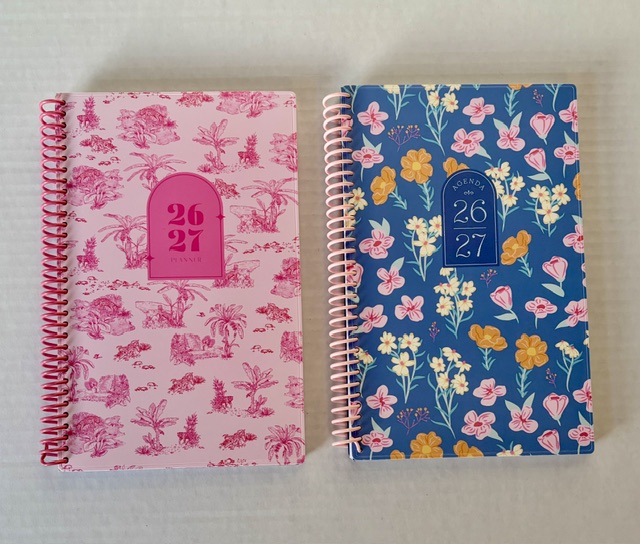
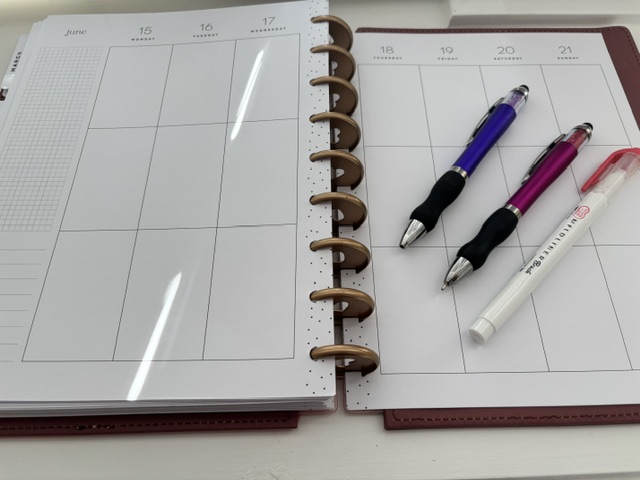
There are disc-bound, spiral, and ring-bound planners. The disc-bound and ring-bound planners allow you to easily pull out and reinsert your planner pages. You can also buy additional pages to add to the planner. As a result, disc-bound and ring-bound planners offer more flexibility for planning methods such as frankenplannng. The spiral planners do not have that option.
You will also want to consider what size of a planner you want. Some sizes are:
- Desk planner
- Pocket size
- A5
- B6
- Half-letter
All of the planners work if you work it. You have to choose the type of planner you will actually use.
#2 Good Quality Pens
You also want to make sure you use good quality pens. Since you will be referring to this planner often, you want to make sure that the pen you use has the following qualities:
- Comfortable grip
- No smearing
- Fine tip
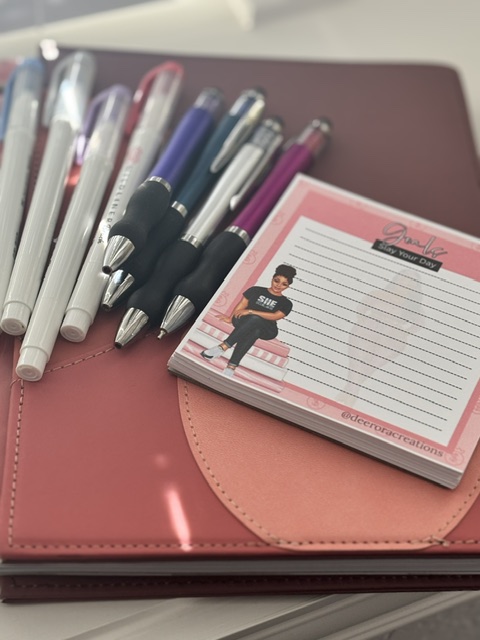
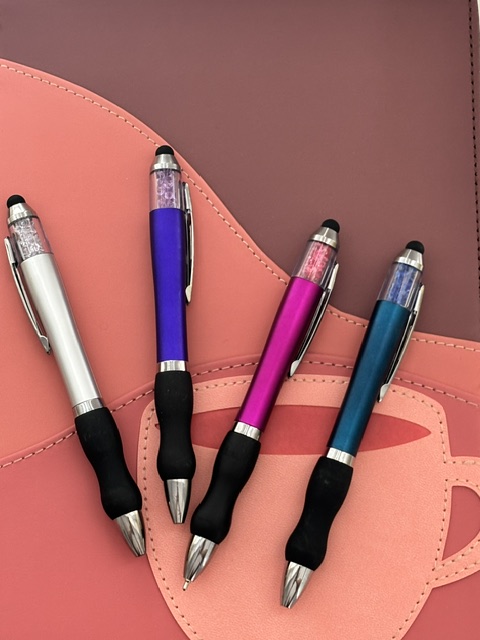
You can purchase pens in multiple colors if you like to use a color system for your planning. I typically stick to black, but you can use whatever system works for you. I recently purchased some pens with a bigger grip so that it is easier to write. While I like a cute pen, comfort is important when you have a lot to write. If you are looking for an ergonomic pen, you can check out the ones I purchased here. As you can see below, they are cute with sparkles. They come in different colors, but the ink is black.
#3 Highlighters & Markers
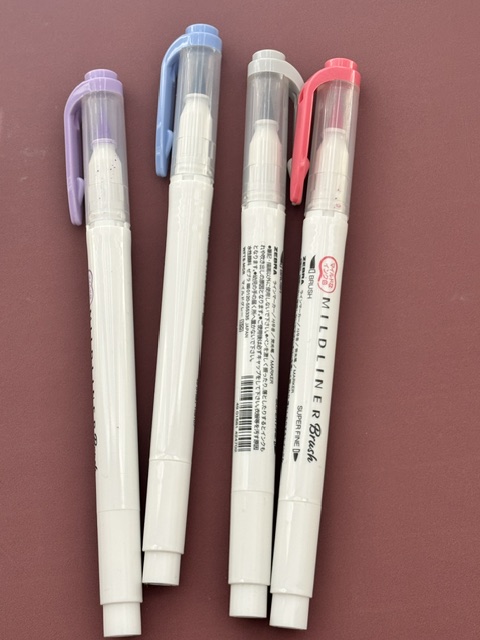
You can also use highlighters and markers to color code categories in your planner. I use a form of this in Google Calendar and Apple Calendar. For example, you can code work tasks/appointments one color and home/family tasks another color. You can also use highlighters to mark deadlines and create time blocks. I personally use Mildliner. They are very sleek and colorful, but they are not overpowering on the planner. You can purchase a set like mine here.
#4 Sticky Notes
I like to use sticky notes or notepads to jot down information quickly. I can always transfer information from my notepad to my planner later. I also use them to write additional notes that I don’t necessarily want written on my calendar. I use them for things I need to remember and random thoughts I have during the day.
#5 Stickers & Washi Tape
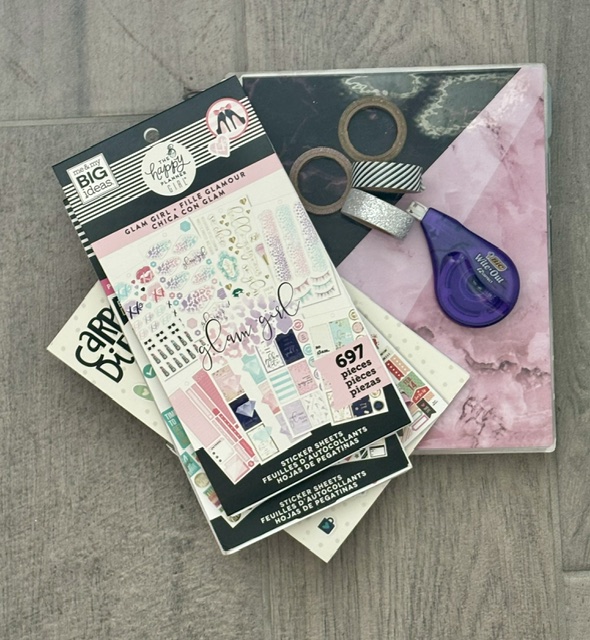
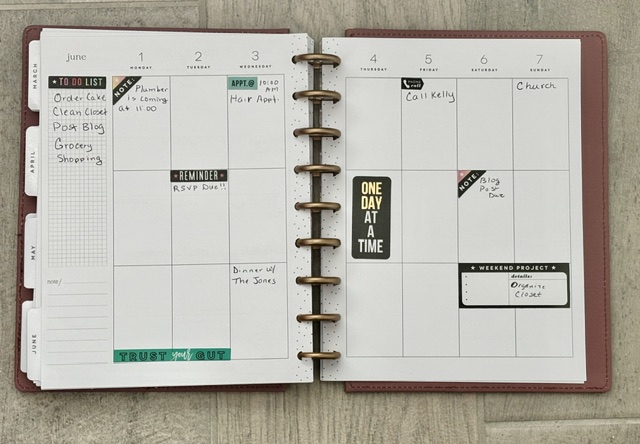
If you are a creative person, you can add stickers and washi tape to your planner. I like stickers. There are decorative stickers and functional stickers. You can use a combination of both. Stickers make planning more enjoyable because it is like arts and crafts. However, I understand that some may prefer the focus of functional planning. Lately, I have taken that route as well. However, stickers can highlight important details to catch your attention.
Use functional stickers for:
- Appointments
- Bills
- Reminders
- Habit tracking
Use decorative stickers for:
- Seasonal themes
- Affirmations
- Quotes
You can order stickers and washi tape online or at a crafts store.
#6 Planner Accessories
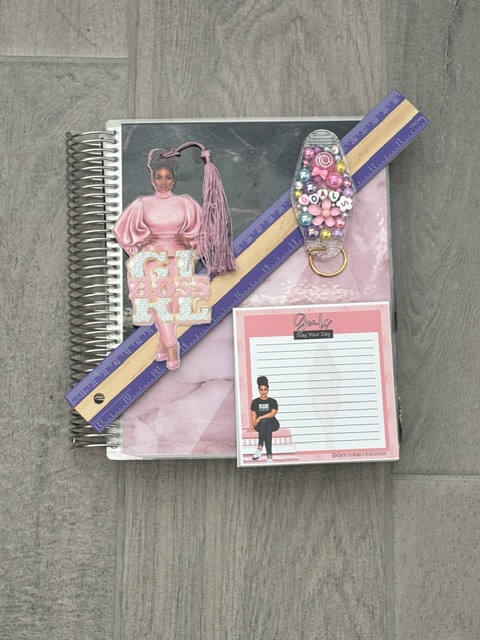
Some additional items you can use for your planner are:
- Tabs
- Paper clips
- Rulers
- Bookmarks
- Dashboards
- Charms
These help you find pages faster and decorate your planner, making it uniquely yours.
How to Create a Paper Planning Routine You’ll Actually Stick With
- Keep it simple
- Keep your planner visible
- Check your planner every morning
- Keep a weekly planning session timeslot available
Your Next Step
Keep in mind that your planner does not have to look perfect in order to be useful. Keep it simple. Start with a planner, pen, and a few extra tools. You can always build your collection as you discover your planning style.
You don’t have to overcomplicate your organization system. That would defeat the purpose. Start with a simple to-do list, add appointments to your planner, and go from there.